
Educational Analysis

Fraud Case Studies

Explore educational case studies that explain how fraud schemes develop, how trust is built and where warning signs commonly appear.

  • Pattern-focused case analysis
  • Anonymous educational examples
  • Practical warning signs
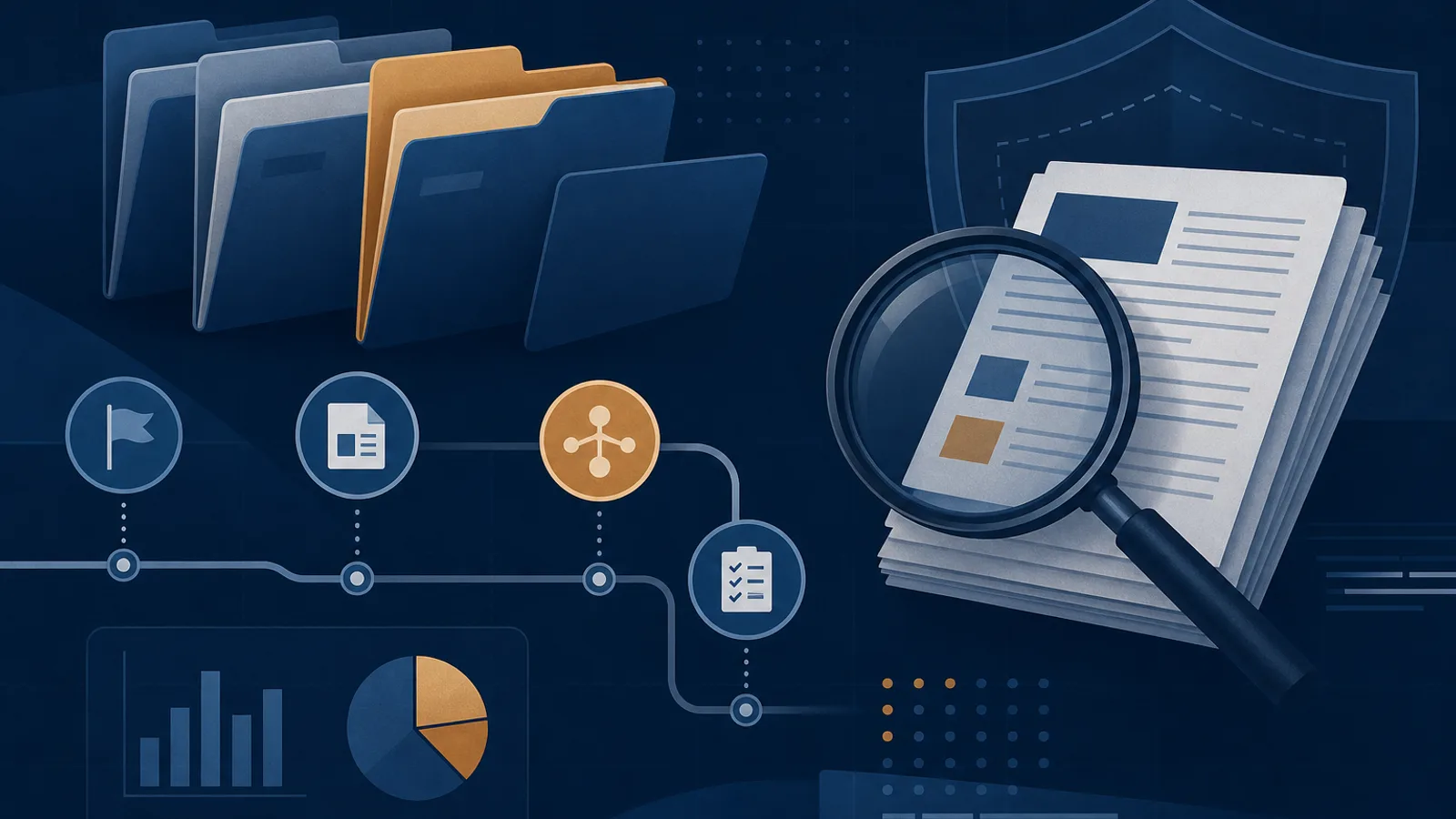
Editorial illustration of fraud case study folders, timelines and analysis tools

About these case studies

  • Case studies may be anonymized, combined or simplified for educational clarity.
  • They are intended to explain common fraud patterns, not to document a verified investigation by GFKC.
  • Details may not apply equally to every situation.
  • This content does not replace advice from a qualified professional and should not be used to judge guilt about a specific person or company. Users may request a preliminary case review where needed.

Find Cases

Search and filter case studies

Filter educational examples by fraud pattern or search titles, summaries and warning signs.

Search across titles, excerpts, tags, scam types and warning signals. Results update on this page.

Patterns

0 case studies available

Patterns

Browse by scam pattern

Explore educational case studies grouped by common fraud patterns.

Investment Fraud

Fabricated platforms, false returns and blocked withdrawals.

Browse cases

Cryptocurrency Fraud

Wallet pressure, fake trading apps and crypto fee traps.

Browse cases

Romance Fraud

Long-term trust building followed by invented emergencies.

Browse cases

Employment Fraud

Fake hiring processes that demand upfront payments.

Browse cases

Impersonation Fraud

Spoofed banks, officials or trusted roles used to create fear.

Browse cases

Recovery Fraud

Secondary actors promising recovery for repeated fees.

Browse cases

How to Read

How to read a case study

Use each educational summary as a pattern guide, not as a finding of guilt or an official investigation.

  1. Identify the initial contact

    Note how the first message, call or listing appeared and what was promised.

  2. Review how trust was built

    Look for polished profiles, fabricated proof, repeated contact or exclusivity claims.

  3. Track payment escalation

    Follow how small transfers can grow into fees, taxes or unlock demands.

  4. Locate the warning signs

    Compare urgency, unusual payment methods and blocked access against the case notes.

  5. Compare practical lessons

    Use the educational takeaways to review your own situation more cautiously.

Case studies are educational summaries and should not be treated as findings of guilt or official investigations.

FAQ

Case studies FAQ

Cautious answers about anonymization, investigation claims and similar situations.

Are the case studies based on real events?
Case studies are educational summaries. Details may be anonymized, combined or simplified to explain common fraud patterns. They should not be read as complete investigative reports about a specific person or company.
Why are names and identifying details removed?
Identifying details are removed to protect privacy and keep the focus on patterns rather than individuals. GFKC does not publish victim identities or claim to adjudicate specific disputes.
Does GFKC investigate the cases shown?
Case studies explain common patterns and are not formal investigations. Users may still submit their own situation for preliminary case review and, where appropriate, request access to professional legal guidance. Outcomes are never guaranteed.
Can a case study prove that a company is fraudulent?
No. A case study cannot establish guilt or prove that any particular company is fraudulent. Readers should verify concerns through official channels and their financial providers.
What should I do if my situation looks similar?
Pause further payments, preserve records and contact your bank, payment platform or local official channels through verified methods. You may also submit a case for preliminary review and request legal guidance on possible next steps. Submitting information does not create a lawyer-client relationship and does not guarantee recovery.

Next Steps

Ready to request a case review?

If a case study looks similar to your situation, preserve your records and submit a brief case summary for preliminary review. Do not send passwords, authentication codes or full banking card details.

Submitting a request does not create a lawyer-client relationship and does not guarantee representation, recovery or any specific outcome.

Explore Scam Types