
Evidence & Documentation

How to Preserve Evidence of Online Fraud

Learn how to preserve messages, transaction records, account details, cryptocurrency information, screenshots, and other important evidence after online fraud.

Evidence & Documentation8 min readEvidence & DocumentationUpdated guidance
fake-investment-trust-building.webp
Topic
Evidence & Documentation
Reading time
8 min read
Content type
Evidence & Documentation
Review status
Reviewed for Accuracy

Important notice

  • Preserve original records before deleting, blocking, editing, or closing accounts.
  • Save transaction details, communications, account information, and website evidence as early as possible.
  • Do not alter screenshots, messages, receipts, or other evidence after saving them.
  • Keep copies in more than one secure location whenever possible.
  • Evidence requirements vary depending on the payment method, platform, jurisdiction, and circumstances of the case.

Why Evidence Matters After Online Fraud

Evidence helps banks, payment providers, cryptocurrency exchanges, regulators, law-enforcement agencies, and professional advisers understand what happened, when it happened, who was involved, and how money or information was transferred.

Fraud-related websites, social media accounts, messages, advertisements, and payment instructions can disappear quickly. Preserving information early can prevent important details from being lost.
Preserve All Communications

Save every relevant conversation between you and the suspected scammer, broker, platform representative, recruiter, seller, romantic contact, or other person involved.

  • Emails and full email headers where available
  • WhatsApp, Telegram, Signal, SMS, or other chat history
  • Social media direct messages
  • Phone numbers and call records
  • Voice messages
  • Usernames and profile links
  • Names used by the suspected fraudster
  • Support tickets and customer service conversations

When possible, preserve the original conversation in addition to screenshots. Screenshots are useful, but exported chats, original emails, or platform records may contain additional information.

Preserve Payment and Transaction Records

Financial records are often among the most important pieces of evidence because they help establish when funds were transferred, how much was sent, and where the payment was directed.

  • Bank transfer receipts
  • Wire transfer confirmations
  • Account statements
  • Card transaction records
  • Payment processor receipts
  • Beneficiary names and account details
  • IBAN, SWIFT, routing, or account information where applicable
  • Gift card receipts and card information
  • E-wallet transaction records
  • Transaction dates, amounts, currencies, and reference numbers

Preserve Cryptocurrency Evidence

Cryptocurrency cases require accurate blockchain and account information. Small errors in wallet addresses or transaction hashes can make later review more difficult.

  • Wallet addresses used to send and receive funds
  • Transaction hashes or transaction IDs
  • Cryptocurrency type and amount
  • Date and approximate time of each transaction
  • Exchange account records
  • Deposit and withdrawal history
  • Screenshots of relevant account activity
  • Platform or wallet names
  • Any destination wallet information provided by the suspected scammer

Preserve Websites, Profiles, and Online Accounts

Fraudulent websites and online profiles may be changed, suspended, or removed after victims begin asking questions. Record important online information as early as possible.

  • Full website URLs
  • Login pages
  • Account dashboards
  • Company names and claimed addresses
  • Social media profile URLs
  • Usernames and account IDs
  • Advertisements
  • Investment or product descriptions
  • Withdrawal screens and error messages
  • Terms, payment instructions, and contact pages

Screenshots should ideally show enough context to identify the website, account, or conversation rather than capturing only a small isolated section.

Preserve Documents and Files

Keep copies of documents sent to you or presented through the fraudulent scheme.

  • Contracts
  • Invoices
  • Investment statements
  • Loan agreements
  • Trading reports
  • Certificates
  • Licenses or claimed credentials
  • Employment documents
  • Receipts
  • PDF files
  • Images and attachments

Keep the original file whenever possible rather than saving only a screenshot of the document.

Create a Clear Case Timeline

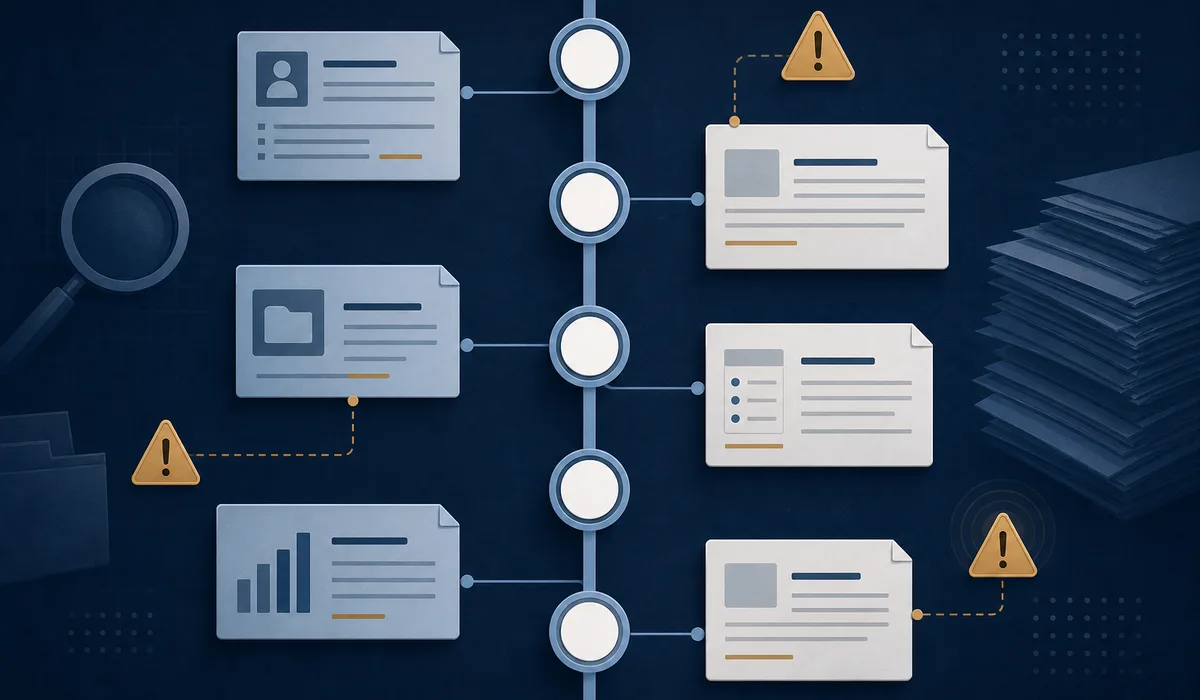
A chronological timeline can make a complex fraud case easier to understand. Record the major events from first contact through the discovery of the fraud.

  • Date of first contact
  • How contact was made
  • When money or cryptocurrency was first requested
  • Dates and amounts of each payment
  • Promises or explanations given before payments
  • Withdrawal attempts
  • Additional fee requests
  • When communication stopped or the fraud was discovered
  • Dates reports were submitted to banks, platforms, or authorities

Store Evidence Safely

Evidence should be organized and protected from accidental loss or modification.

  • Keep original files where possible
  • Create backup copies
  • Use clear folder and file names
  • Store records in chronological order
  • Keep sensitive documents in secure storage
  • Do not publicly post identity documents or confidential banking information
  • Avoid sharing passwords or security credentials with anyone reviewing the case

What to Do After Preserving Evidence

After preserving the available evidence, consider the payment method and organizations involved. Contact the relevant bank, card issuer, payment provider, cryptocurrency exchange, or platform promptly if funds or accounts may be at risk.

Appropriate reporting and recovery procedures vary between countries and transaction types. Organized evidence can help when submitting reports, requesting transaction reviews, or obtaining professional assistance.

Checklist

Evidence checklist

Use this checklist to organize the most important records before contacting a bank, payment provider, regulator, law-enforcement agency, or professional adviser.

Communications

  • Emails and email headers
  • Chat history
  • Phone numbers and call records
  • Social media profiles
  • Usernames and account IDs

Payments

  • Bank statements
  • Transfer receipts
  • Card records
  • Beneficiary details
  • Transaction reference numbers

Cryptocurrency

  • Wallet addresses
  • Transaction hashes
  • Exchange records
  • Deposit and withdrawal history
  • Cryptocurrency amounts and dates

Web and Platform Evidence

  • Website URLs
  • Account dashboard screenshots
  • Advertisements
  • Withdrawal errors
  • Company and platform details

Documents

  • Contracts
  • Invoices
  • Statements
  • Certificates
  • Receipts and attachments
fake-investment-case-timeline.webp

Pitfalls

Common mistakes

Practical missteps that can weaken records or create new risk after suspected fraud.

Deleting Conversations Too Early

Victims sometimes block or delete suspected scammers immediately and accidentally lose important messages or account information.

Avoid:Do not delete chats, emails, profiles, or account records before evidence has been preserved.

Better approach:Save or export the relevant records first, then secure your accounts and block suspicious contacts when appropriate.

Saving Only Cropped Screenshots

Small screenshots may remove important context such as dates, usernames, URLs, or account information.

Avoid:Avoid relying only on tightly cropped images.

Better approach:Capture enough context to identify the conversation, website, transaction, or account involved.

Editing Original Evidence

Annotations, image editing, or rewritten records can make it difficult to distinguish original information from later additions.

Avoid:Do not overwrite or alter original files.

Better approach:Keep the original evidence unchanged and create separate working copies if notes or annotations are needed.

Forgetting Transaction References

A payment screenshot without a reference number or destination information may be less useful during later review.

Avoid:Do not record only the amount sent.

Better approach:Preserve dates, amounts, currencies, beneficiary details, transaction IDs, and payment reference numbers whenever available.

Sharing Sensitive Security Credentials

Victims may mistakenly include passwords, private keys, seed phrases, or authentication codes when preparing evidence.

Avoid:Never share credentials that can provide access to financial or cryptocurrency accounts.

Better approach:Provide transaction and account evidence without disclosing passwords, private keys, recovery phrases, or one-time codes.

Channels

Official sources and channels

The following official resources provide additional guidance about fraud reporting, evidence retention, and immediate actions after a scam.

External source

IC3 FAQ — Related Evidence

The FBI Internet Crime Complaint Center explains what evidence may support an internet crime complaint and advises complainants to retain original documents securely.

FBI Internet Crime Complaint Center · Accessed 2026-08-08

External source

What To Do if You Were Scammed

The U.S. Federal Trade Commission provides guidance on contacting payment providers, protecting compromised accounts, and reporting scams.

Federal Trade Commission · Accessed 2026-08-08

Official resources are provided for reference and may change over time. Always verify current procedures directly with the relevant authority, financial institution, payment provider, or platform before taking action.

Related Patterns

Related scam types

Fraud patterns where evidence preservation is often especially important.

Related Guides

Related knowledge

Additional practical articles that may help after suspicious online contact.

Practical Guide

How to Trace Cryptocurrency Transactions After a Scam

Learn how cryptocurrency transactions can be traced after a scam, including transaction hashes, wallet addresses, blockchain networks, fund movements, exchange identification, and evidence preparation.

13 min read

Read article

FAQ

Evidence preservation FAQ

Cautious answers about screenshots, messaging and recovery expectations.

Confidential Case Review

Ready to submit your case for recovery review?

Read related guides or submit your case for confidential assessment. Do not send passwords, authentication codes or full banking card details.

Submitting a request does not create an attorney-client relationship and does not guarantee representation, recovery, or any specific outcome.