Practical Guides

Fraud Knowledge Center

Explore practical guides, evidence-preservation advice, reporting information and public-resource research designed to help readers make informed decisions.
  • Practical fraud guidance
  • Evidence and reporting resources
  • Public-source research
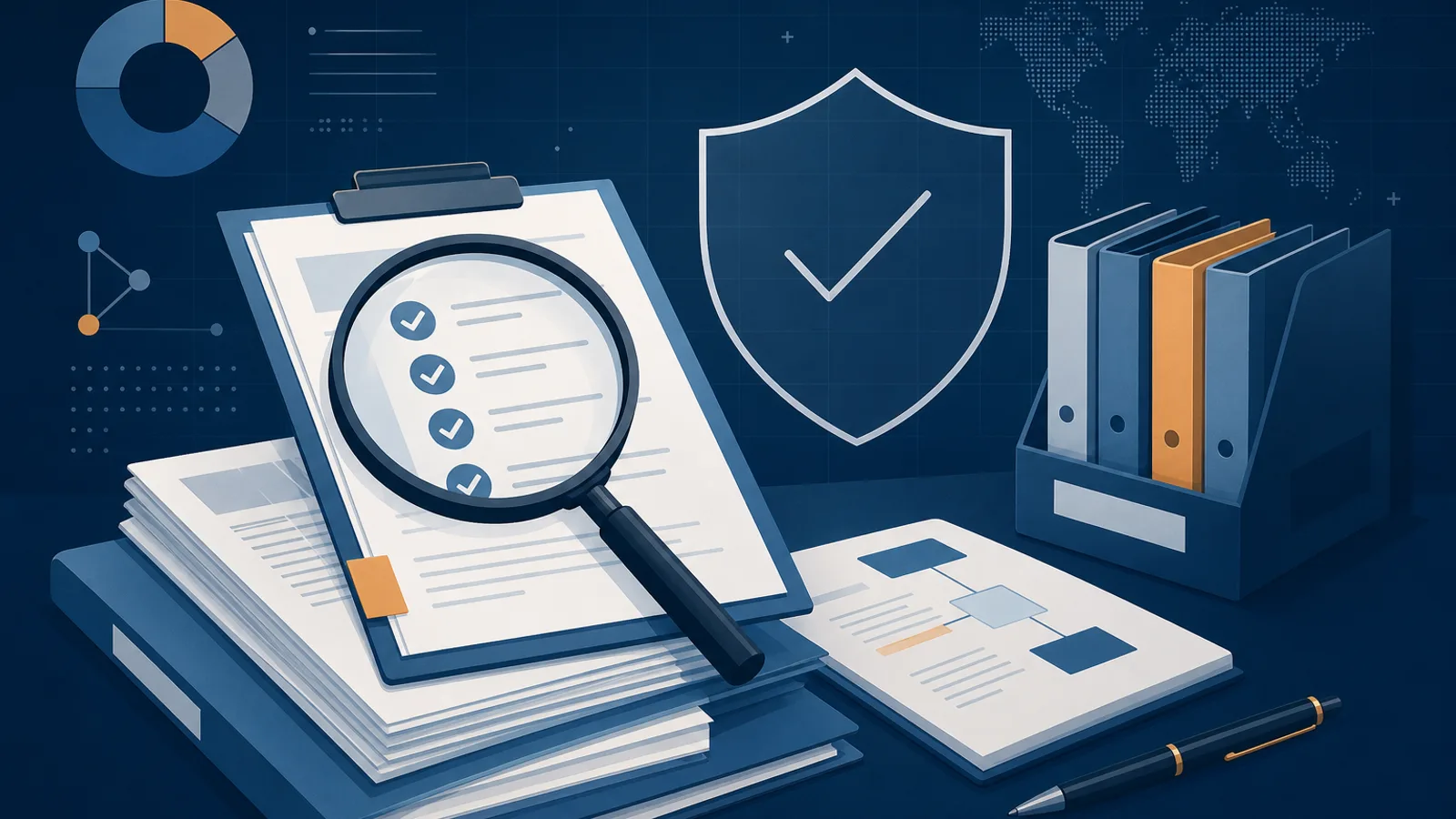
Editorial illustration of fraud research documents, verification tools and knowledge resources

Find Guidance

Search and filter knowledge

Filter practical guides by topic or search titles, summaries and tags.

Search across titles, excerpts and tags. Results update instantly on this page.

Topics

0 guides matching your filters

Topics

Browse by topic

Explore practical guidance organized by the questions people commonly ask after suspicious contact.

Immediate Actions

First practical steps after a suspicious transfer or contact.

Browse topic

Evidence Preservation

How to save messages, payments and records for later review.

Browse topic

Reporting Fraud

Guidance on documenting incidents for official reporting channels.

Browse topic

Financial Protection

Account security, bank contact and payment-risk awareness.

Browse topic

Lawyer Verification

Public-source checks for licensing and professional status.

Browse topic

Recovery Scam Awareness

How secondary “recovery” offers often target people already harmed.

Browse topic

Checklists

Practical checklists

Short document-style lists for the first hours after suspected fraud and careful verification.

First 24 Hours After Suspected Fraud

A short sequence for reducing further loss while records are still available.

  • Stop additional payments or “unlock” transfers
  • Contact your bank or payment provider through verified channels
  • Save chats, emails, screenshots and transaction receipts
  • Change passwords for affected accounts
  • Avoid sharing case details with unsolicited recovery contacts
  • Note dates, amounts and account identifiers
View related guide

Evidence Preservation Checklist

Organize materials that may later be useful for banks, platforms or official reports.

  • Export or screenshot message threads with timestamps
  • Record usernames, phone numbers, emails and websites
  • Save payment confirmations and destination details
  • Store files in a dated folder with clear labels
  • Do not alter original files when possible
View related guide

Lawyer Verification Checklist

Public-source checks before discussing sensitive case information.

  • Search official licensing directories independently
  • Confirm the name, jurisdiction and status match
  • Review the contact channel against official listings
  • Be cautious of pressure to pay large upfront fees
  • Keep records of what you verified and when
View related guide

FAQ

Knowledge Center FAQ

Cautious answers about educational content, public sources and urgent situations.

Is the Knowledge Center legal advice?
No. Knowledge guides provide general fraud information and practical orientation. They do not create a lawyer-client relationship. Where appropriate, users may request a consultation with a qualified independent legal professional in their jurisdiction.
How often is guidance reviewed?
Guides are written as practical materials and may be updated over time. Readers should still verify current procedures with banks, platforms and official channels.
Are the articles based on public sources?
Articles are prepared as general fraud-knowledge content intended to help readers understand common patterns and practical checks. They are not investigative reports about specific companies or individuals.
Can GFKC confirm whether a company is fraudulent?
No. GFKC does not certify companies or make findings of guilt. Users can use guides to organize information, submit a case for preliminary review and request legal guidance, but outcomes are never guaranteed. Use independent official sources and your financial provider when assessing a specific situation.
What should I do if I need urgent help?
If you face immediate risk, contact local official agencies, your bank or the relevant platform through verified channels. You may also ask about your situation through GFKC for preliminary orientation. Do not send passwords, authentication codes or banking credentials through informal messaging.

Next Steps

Need to ask about your situation?

Read related guides or ask about your situation. Do not send passwords, authentication codes, banking credentials or highly sensitive personal documents.

Submitting a request does not create a lawyer-client relationship and does not guarantee representation, recovery or any specific outcome.

Read Related Guides