Primary Target
Bank Account Holders
Scam Type Guide
[ "Contact your bank immediately if you notice an unauthorized transaction.", "Never provide passwords, PINs, or one-time security codes to unexpected callers or messages.", "Verify payment requests independently before approving any bank transfer." ]
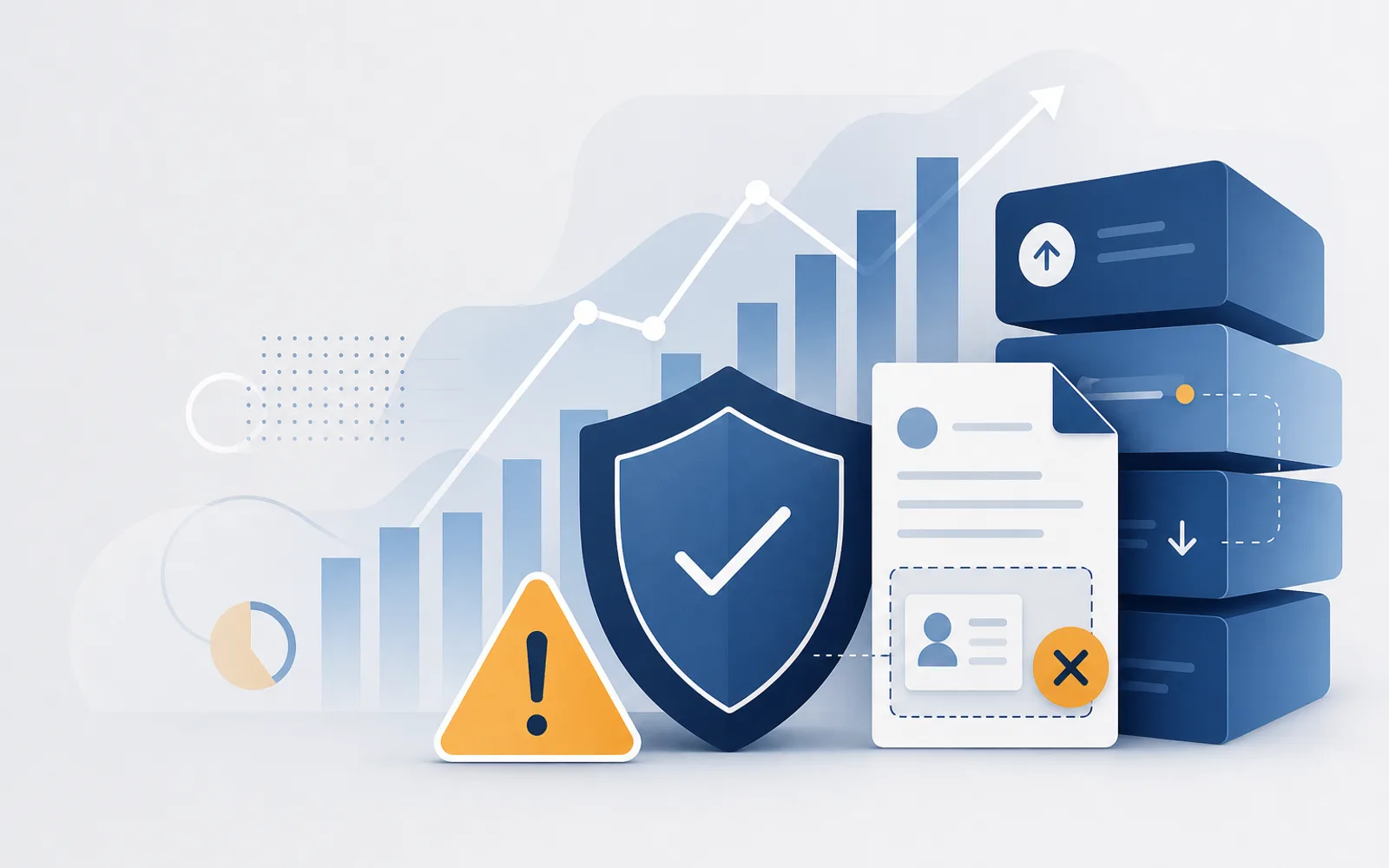
At a Glance
Key context for recognizing how this scam pattern commonly appears.
Primary Target
Bank Account Holders
Common Methods
Account Takeover, Phishing & Payment Manipulation
Common Channels
Phone, SMS, Email & Fake Banking Websites
Payment Methods
Bank Transfer, Wire Transfer & Card Transactions
Risk Level
High
Important Evidence
Bank Statements, Transfer Records & Communications
Overview
Bank account fraud involves unauthorized access to a bank account, deceptive payment instructions, or manipulation that causes a victim to transfer funds to a fraudster.
Criminals may obtain banking information through phishing, impersonation, compromised credentials, fake banking websites, malicious applications, or social engineering.
Some transactions may appear to have been authorized by the account holder even though approval was obtained through deception, making detailed evidence especially important.
Process
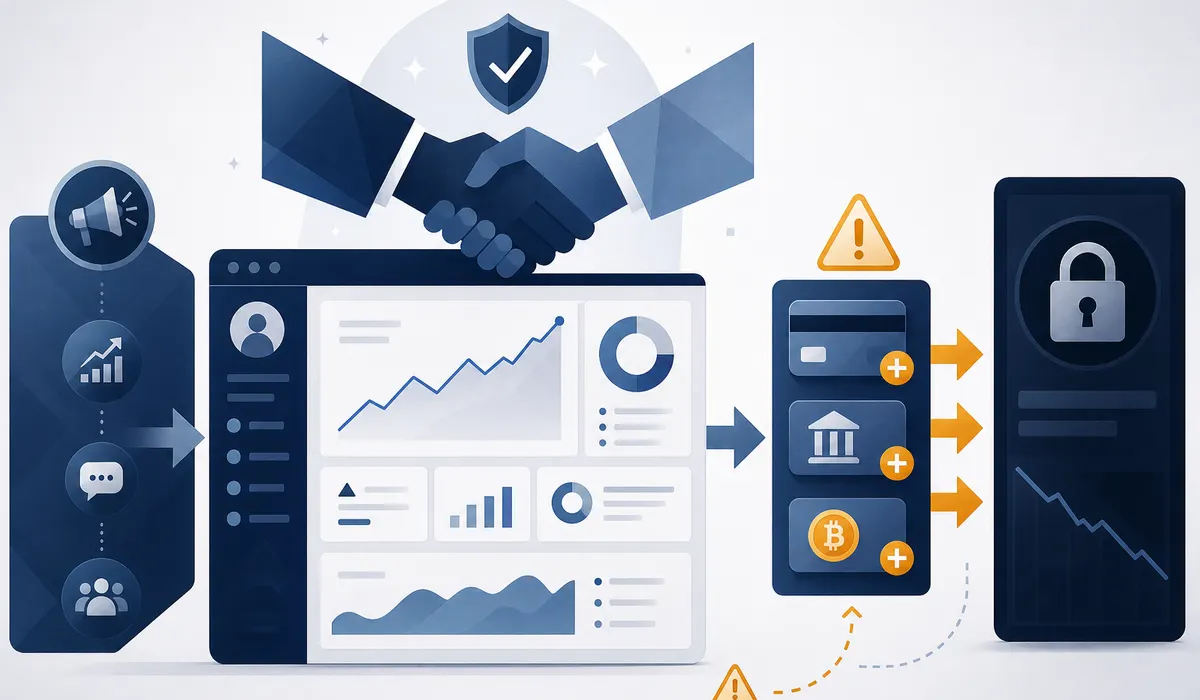
A typical sequence used to build trust, escalate deposits and block withdrawals.
Step 01
The victim receives a phishing message, fake bank call, fraudulent website link, or other deceptive communication.
Step 02
The fraudster obtains banking information, security credentials, or convinces the victim that urgent action is required.
Step 03
The victim may be asked to provide a one-time code, approve a login, install an application, or confirm a supposed security procedure.
Step 04
Money is transferred to an account controlled by the fraudster or moved through intermediary accounts.
Step 05
Further transfers may be attempted before the victim or bank recognizes suspicious activity.
Step 06
The victim notices missing funds, unauthorized transactions, account restrictions, or unexpected banking notifications.
Step 07
Fraudsters may rapidly transfer funds between accounts or convert them into other assets, which can complicate recovery efforts.
Warning Signs
These signals do not prove fraud by themselves, but several together should prompt extra verification.
A caller or message claims to represent your bank and urgently requests sensitive account information.
Someone asks you to provide one-time passwords, verification codes, PINs, or login credentials.
You are told that money must immediately be moved to a supposedly safe or protected account.
Transfers, card payments, beneficiaries, or account changes appear that you do not recognize.
Your bank reports sign-ins, password changes, new devices, or security activity you did not initiate.
A person or company unexpectedly provides new bank details and asks you to redirect a payment.
Tactics
Bank fraudsters combine impersonation, stolen credentials, urgent payment instructions, and social engineering to gain access to accounts or persuade victims to authorize fraudulent transactions.
Fraudsters pretend to be bank employees, fraud investigators, or security representatives.
Fake emails or text messages direct victims to fraudulent banking websites designed to steal login credentials.
Victims are falsely told that their account is compromised and that money must be transferred to another account for protection.
Scammers persuade victims to disclose security codes used to approve logins or transactions.
Victims may be instructed to install software that allows criminals to control their computer or mobile device.
Fraudsters impersonate businesses or trusted contacts and provide fraudulent bank details for legitimate payments.
Prevention
Practical checks that can reduce exposure to fabricated investment offers.
Check 01
Contact your bank using the official number or application rather than contact information provided in an unexpected message.
Check 02
Never disclose passwords, PINs, one-time codes, or other banking security credentials.
Check 03
Confirm unexpected changes to bank details through a separate trusted communication channel.
Check 04
Use strong unique passwords, multi-factor authentication, and available transaction alerts.
Check 05
Check banking activity frequently and investigate unfamiliar transactions promptly.
Check 06
Keep bank statements, transfer confirmations, messages, emails, phone numbers, and screenshots related to suspicious activity.
If You Were Targeted
General educational steps. Adapt them to your jurisdiction and payment channels.
Report the suspected fraud and identify the affected transactions as soon as possible.
Ask the bank what recall, dispute, tracing, or fraud investigation procedures may be available for the transaction type.
Change compromised passwords, review account access, remove unknown devices, and follow your bank's security instructions.
Save statements, transaction references, beneficiary information, messages, emails, phone numbers, and screenshots.
Report the incident to appropriate law enforcement, financial authorities, or fraud reporting services where applicable.
Organize the transaction history and supporting evidence to evaluate possible recovery pathways based on the payment method and circumstances.
GFKC may help users understand possible recovery pathways and request legal guidance. Recovery is not guaranteed and depends on evidence, jurisdiction, payment method and the parties involved.
Related Patterns
Nearby fraud patterns that often overlap with investment schemes.
Knowledge
Practical guides that may help after suspicious investment contact.
FAQ
Cautious answers about fabricated returns, deposits and recovery claims.
Confidential Case Review
Prepare your evidence or submit your case for confidential assessment before sending more money or sharing sensitive information.
Submitting a request does not create an attorney-client relationship and does not guarantee representation, recovery, or any specific outcome.