Primary Target
Investors Seeking Professional Guidance
Scam Type Guide
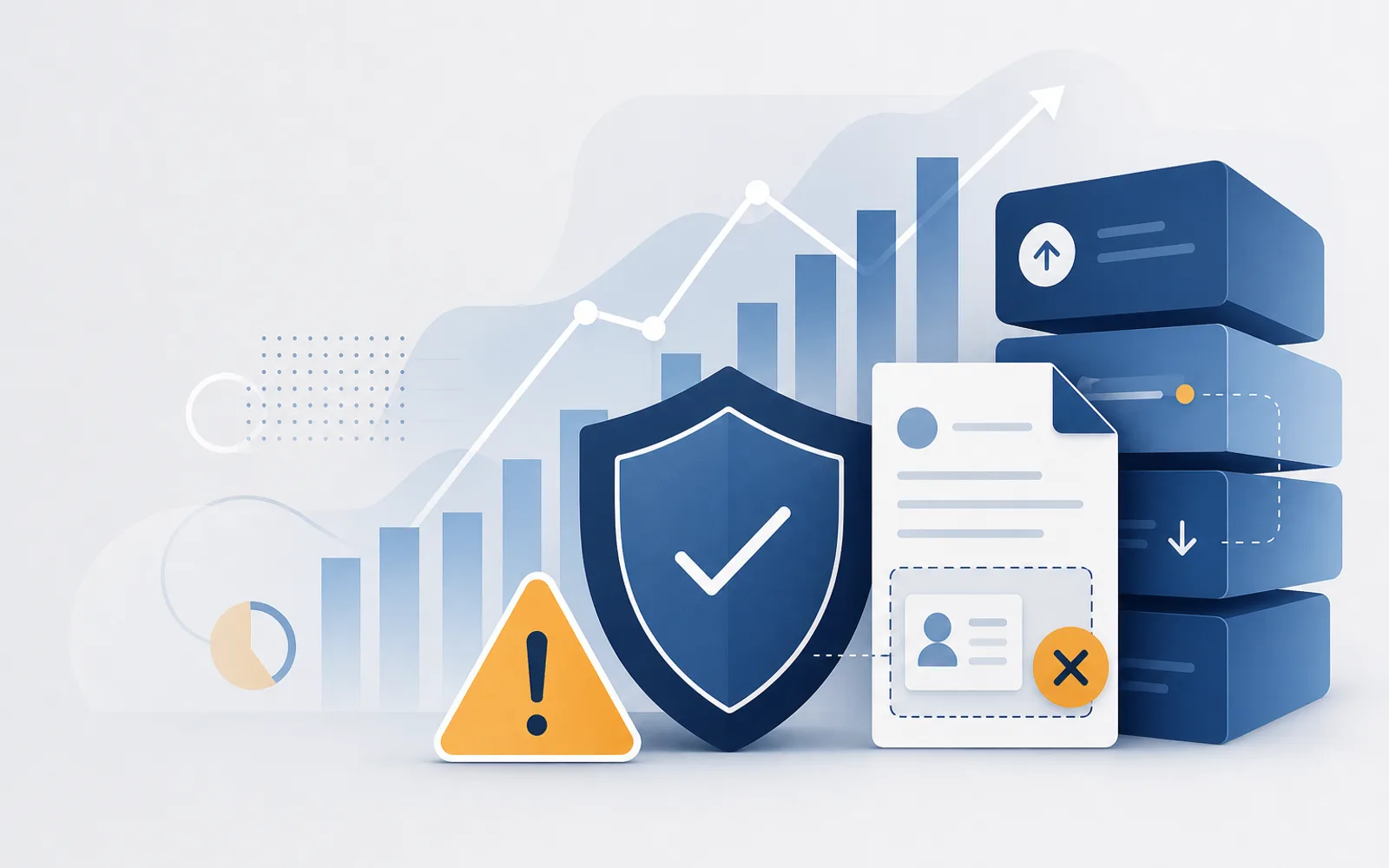
Fake investment advisor scams involve fraudsters posing as financial professionals, brokers, wealth managers, or investment experts to gain trust and persuade victims to transfer money into fraudulent investments. They may use professional profiles, fabricated credentials, fake performance records, and convincing financial terminology to appear legitimate.
At a Glance
Key context for recognizing how this scam pattern commonly appears.
Primary Target
Investors Seeking Professional Guidance
Common Impersonation
Advisor, Broker, Analyst or Wealth Manager
Common Channels
LinkedIn, WhatsApp, Telegram, Email
Payment Methods
Bank Transfer, Wire Transfer, Cryptocurrency
Risk Level
High
Important Evidence
Advisor Profiles, Messages, Payment Records & Platform Details
Overview
A fake investment advisor scam occurs when a fraudster impersonates a financial professional or falsely claims investment expertise in order to obtain money from victims.
Scammers may present fabricated licenses, professional biographies, client testimonials, trading records, or company information to create credibility.
Victims are often directed toward fake investment platforms, private accounts, or cryptocurrency wallets before eventually discovering that their funds cannot be withdrawn.
Process
A typical sequence used to build trust, escalate deposits and block withdrawals.
Step 01
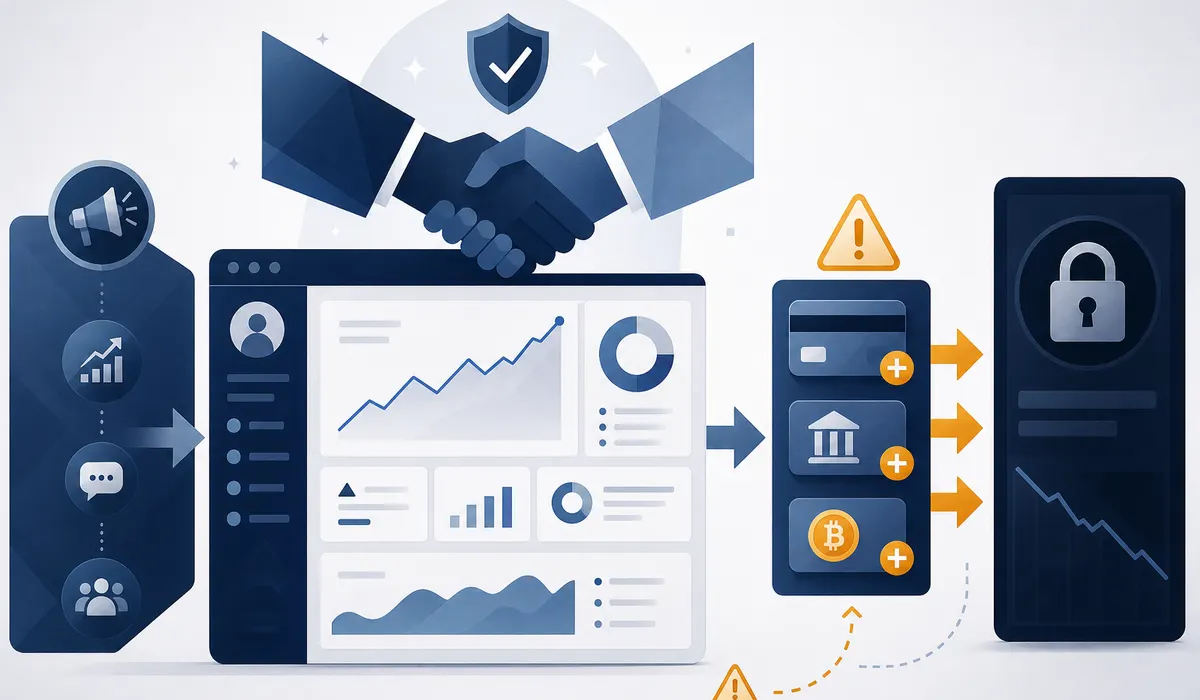
The scammer contacts the victim while presenting themselves as an investment advisor, broker, analyst, or financial professional.
Step 02
Fake credentials, company information, market analysis, testimonials, or investment results are used to establish trust.
Step 03
The victim is introduced to a supposedly exclusive investment, trading strategy, private fund, or high-return opportunity.
Step 04
The victim sends an initial amount through bank transfer, cryptocurrency, or another payment method.
Step 05
The advisor presents fake profits, account growth, or successful trades to encourage additional investment.
Step 06
The victim is pressured to invest more money to access better opportunities, recover supposed losses, or increase returns.
Step 07
Withdrawals are delayed or blocked while additional fees, taxes, commissions, or verification payments are demanded.
Warning Signs
These signals do not prove fraud by themselves, but several together should prompt extra verification.
The advisor claims professional qualifications or licenses that cannot be independently confirmed.
The advisor promises consistent profits or claims that the investment carries little or no risk.
Most communication takes place through WhatsApp, Telegram, or personal messaging accounts instead of verifiable business channels.
You are instructed to send money to a personal bank account, third-party account, or private cryptocurrency wallet.
The advisor claims that a special opportunity will disappear unless you transfer money immediately.
Additional taxes, commissions, deposits, or verification charges are demanded before existing funds can supposedly be released.
Tactics
Fake investment advisors rely on professional appearance, financial terminology, fabricated credentials, and repeated trust-building to persuade victims that they are dealing with legitimate financial professionals.
Fraudsters may display fake licenses, certificates, professional biographies, or company affiliations.
Scammers may copy the identity, photograph, or professional details of legitimate financial advisors.
Victims receive convincing charts, reports, or trading predictions designed to create confidence.
The scammer claims to provide access to private investments, insider strategies, or limited opportunities.
Fake testimonials, screenshots, and account statements are used to suggest a strong investment record.
The victim is repeatedly encouraged to increase investment amounts after apparent profits are shown.
Prevention
Practical checks that can reduce exposure to fabricated investment offers.
Check 01
Confirm the advisor's identity and regulatory status through independent official sources.
Check 02
Check whether the business, brokerage, or investment company actually exists and matches the contact information provided.
Check 03
Legitimate financial professionals should not promise guaranteed investment profits.
Check 04
Be cautious if funds must be transferred to personal accounts, unrelated companies, or unknown cryptocurrency wallets.
Check 05
Before transferring significant funds, obtain a second opinion from an independent qualified professional.
Check 06
Keep advisor profiles, credentials, emails, messages, investment documents, screenshots, and transaction records.
If You Were Targeted
General educational steps. Adapt them to your jurisdiction and payment channels.
Do not send additional investments, taxes, commissions, verification fees, or withdrawal charges.
Save names, profiles, photographs, claimed licenses, company details, phone numbers, emails, and messaging accounts.
Keep bank records, wire confirmations, card statements, wallet addresses, transaction hashes, and investment account screenshots.
Notify the bank, card issuer, payment provider, or cryptocurrency exchange involved as soon as possible.
Report the advisor and related company information to relevant financial regulators or law enforcement authorities where appropriate.
Organize your evidence and obtain appropriate professional guidance to evaluate possible recovery pathways.
GFKC may help users understand possible recovery pathways and request legal guidance. Recovery is not guaranteed and depends on evidence, jurisdiction, payment method and the parties involved.
Related Patterns
Nearby fraud patterns that often overlap with investment schemes.
Knowledge
Practical guides that may help after suspicious investment contact.
FAQ
Cautious answers about fabricated returns, deposits and recovery claims.
Confidential Case Review
Prepare your evidence or submit your case for confidential assessment before sending more money or sharing sensitive information.
Submitting a request does not create an attorney-client relationship and does not guarantee representation, recovery, or any specific outcome.