Primary Target
Retail Forex Investors
Scam Type Guide
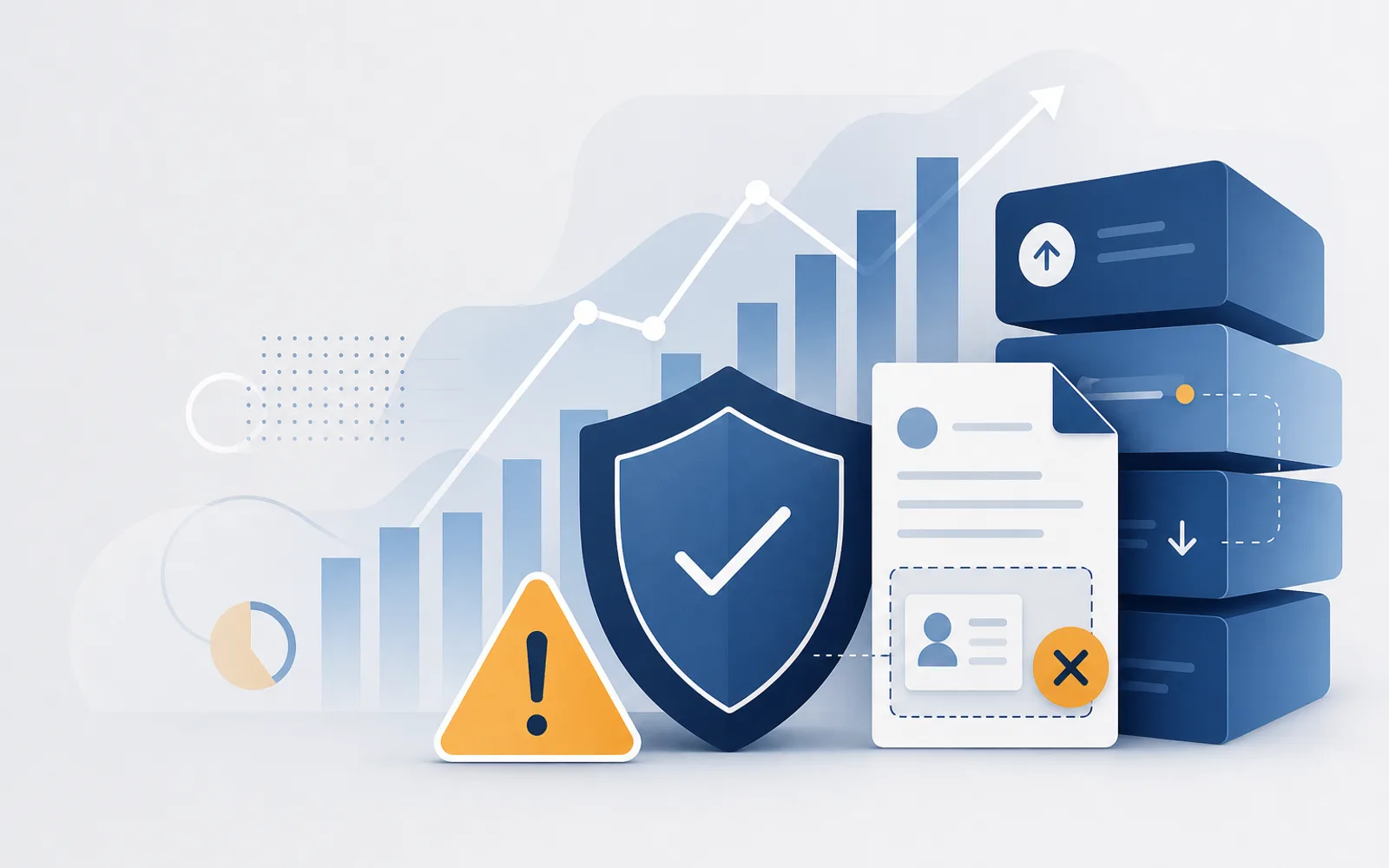
Forex scams use fake brokers, manipulated trading platforms, misleading investment advice, and high-pressure sales tactics to persuade victims to deposit money into fraudulent foreign exchange schemes. Victims may see fabricated profits before withdrawals are delayed, blocked, or made conditional on additional payments.
At a Glance
Key context for recognizing how this scam pattern commonly appears.
Primary Target
Retail Forex Investors
Common Method
Fake Brokers & Trading Platforms
Common Channels
WhatsApp, Telegram, Social Media
Payment Methods
Bank Transfer, Card, Cryptocurrency
Risk Level
High
Important Evidence
Deposits, Trading Records & Communications
Overview
A forex scam is a fraudulent scheme that uses foreign exchange trading as a way to obtain money from victims through deception.
Fraudsters may operate fake brokerage websites, impersonate licensed brokers, provide fabricated trading results, or encourage victims to deposit funds into accounts they control.
Victims are often shown apparent profits before discovering that withdrawals are restricted or that additional payments are required.
Process
A typical sequence used to build trust, escalate deposits and block withdrawals.
Step 01
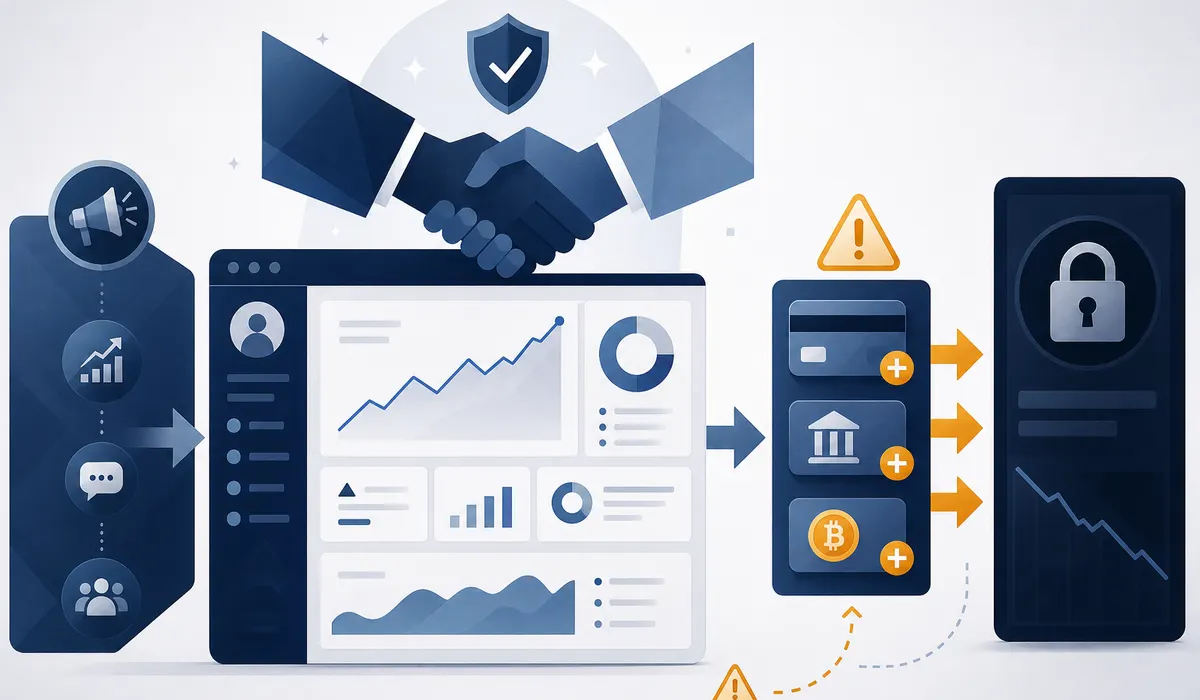
Victims encounter advertisements, social media promotions, investment groups, or direct messages promoting profitable forex trading.
Step 02
A supposed broker or account manager contacts the victim and explains the claimed investment opportunity.
Step 03
The victim is encouraged to make a relatively small first deposit to open or activate a trading account.
Step 04
The platform displays successful trades or rapidly increasing balances to build confidence.
Step 05
The victim is pressured to add more capital to access larger trades, bonuses, or supposed premium opportunities.
Step 06
Withdrawal requests are delayed or blocked, often with demands for taxes, commissions, verification fees, or additional deposits.
Step 07
The broker stops responding, the account is frozen, or the trading website becomes inaccessible.
Warning Signs
These signals do not prove fraud by themselves, but several together should prompt extra verification.
The broker promises reliable or guaranteed forex returns with little or no risk.
The broker cannot be confirmed through the relevant financial regulator or licensing authority.
An account manager repeatedly pressures you to increase the amount deposited.
Withdrawal requests remain pending while new fees or requirements continue to appear.
The broker asks to access your computer or mobile device to supposedly help with trading or payments.
You are instructed to convert funds into cryptocurrency and transfer them to wallet addresses controlled by the platform.
Tactics
Forex scammers often combine professional-looking trading platforms, persuasive account managers, fabricated profits, and repeated payment demands to keep victims depositing money.
Fraudsters pose as experienced brokers or financial professionals and maintain frequent contact with victims.
Trading results and account balances may be fabricated to create the appearance of profitable activity.
Victims are offered bonuses or special trading opportunities that later become excuses to block withdrawals.
Scammers repeatedly contact victims and pressure them to make larger deposits.
Taxes, insurance, commissions, or verification charges are demanded before withdrawals are supposedly released.
Fraudsters may copy the branding, registration details, or websites of genuine financial companies.
Prevention
Practical checks that can reduce exposure to fabricated investment offers.
Check 01
Confirm the broker's regulatory status directly through the appropriate official financial authority.
Check 02
Compare the broker's domain, company details, contact information, and licensing information with official records.
Check 03
Legitimate forex trading involves substantial risk and cannot provide guaranteed profits.
Check 04
Do not allow unknown brokers or account managers to remotely control your computer or mobile device.
Check 05
Be cautious when asked to make new payments before existing funds can supposedly be withdrawn.
Check 06
Keep deposit receipts, bank records, trading statements, emails, chats, and screenshots.
If You Were Targeted
General educational steps. Adapt them to your jurisdiction and payment channels.
Do not send additional funds, taxes, commissions, verification fees, or unlock payments.
Save account screenshots, trading history, payment records, emails, messages, phone numbers, and website details.
Notify your bank, card issuer, cryptocurrency exchange, or other payment provider as soon as possible.
Report suspected fraud to relevant financial regulators and law enforcement authorities in the appropriate jurisdiction.
Organize the evidence and obtain appropriate professional guidance to evaluate possible recovery pathways.
GFKC may help users understand possible recovery pathways and request legal guidance. Recovery is not guaranteed and depends on evidence, jurisdiction, payment method and the parties involved.
Related Patterns
Nearby fraud patterns that often overlap with investment schemes.
Knowledge
Practical guides that may help after suspicious investment contact.
FAQ
Cautious answers about fabricated returns, deposits and recovery claims.
Confidential Case Review
Prepare your evidence or submit your case for confidential assessment before sending more money or sharing sensitive information.
Submitting a request does not create an attorney-client relationship and does not guarantee representation, recovery, or any specific outcome.