Primary Goal
Steal money through fake investment opportunities.
Scam Type Guide
Investment scams are among the most common forms of online financial fraud. Victims are often persuaded to invest through fake trading platforms, fraudulent brokers, or social media promotions. This guide explains how these scams operate, warning signs to watch for, immediate actions to take, and how to prepare information that may assist a professional recovery assessment.
At a Glance
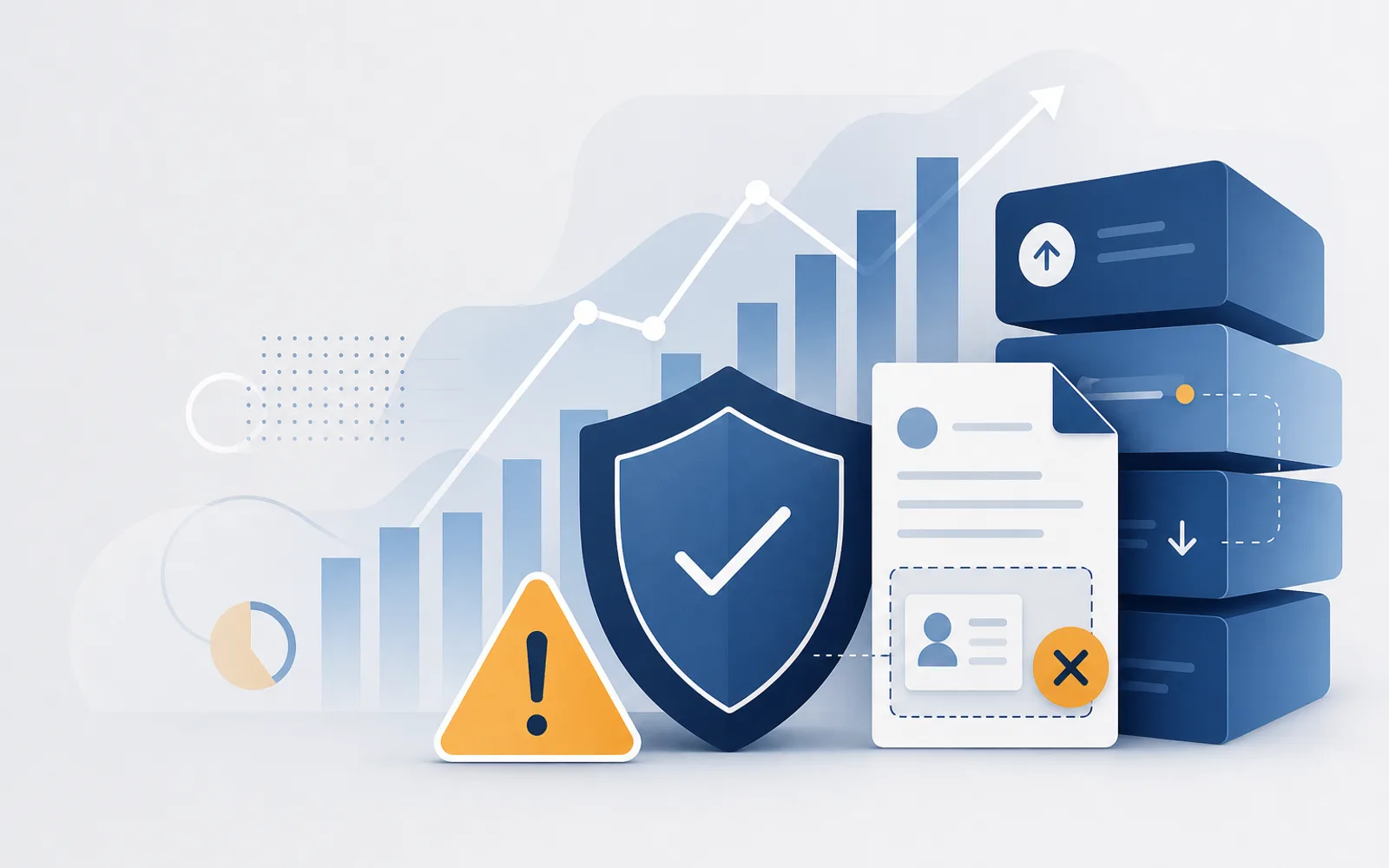
Key context for recognizing how this scam pattern commonly appears.
Primary Goal
Steal money through fake investment opportunities.
Common Channels
WhatsApp, Telegram, Facebook, Instagram, LinkedIn.
Typical Victims
Individuals seeking investment or passive income.
Payment Methods
Bank transfer, cryptocurrency, wire transfer.
Risk Level
Very High
Common Promise
Guaranteed high returns with little or no risk.
Overview
An investment scam is a fraudulent scheme that convinces victims to invest money into fake financial products, trading platforms, cryptocurrency projects, or investment opportunities.
Scammers often pretend to be licensed investment advisors, brokers, or successful investors to gain trust before requesting deposits.
Once victims send funds, scammers usually encourage additional investments before eventually blocking withdrawals or disappearing completely.
Process
A typical sequence used to build trust, escalate deposits and block withdrawals.
Step 01
Victims are contacted through social media, messaging apps, advertisements, or dating platforms.
Step 02
Scammers build relationships and present themselves as experienced investors or financial professionals.
Step 03
Victims are introduced to a seemingly profitable investment platform or exclusive opportunity.
Step 04
Victims make a small investment and may even see fake profits inside the platform.
Step 05
Scammers encourage larger deposits by showing fabricated account growth.
Step 06
Victims are told to pay taxes, service fees, or verification charges before withdrawals are allowed.
Step 07
Accounts are frozen, communication stops, and victims lose access to both funds and the platform.
Warning Signs
These signals do not prove fraud by themselves, but several together should prompt extra verification.
Promises of unusually high or risk-free profits are one of the strongest indicators of an investment scam.
Scammers create false urgency, claiming limited-time opportunities or exclusive investment access.
You are unable to withdraw funds unless you first pay additional taxes, fees, or verification charges.
The platform or advisor cannot provide verifiable regulatory licenses or official registration.
Most conversations take place through WhatsApp, Telegram, or social media instead of official business channels.
Victims are encouraged to transfer funds using cryptocurrency because transactions are difficult to reverse.
Tactics
Investment scammers rely on psychological manipulation, false credibility, and fabricated investment opportunities to persuade victims to transfer increasingly larger amounts of money.
Scammers spend days or weeks developing relationships before introducing investment opportunities.
Victims are shown fabricated account balances and investment returns to encourage larger deposits.
Fraudsters misuse public figures, fake testimonials, or fabricated news articles to appear legitimate.
Victims are told they will miss a unique opportunity unless they invest immediately.
Additional payments are requested to unlock withdrawals, increase profits, or complete verification.
After receiving sufficient funds, scammers stop responding or permanently disable the victim's account.
Prevention
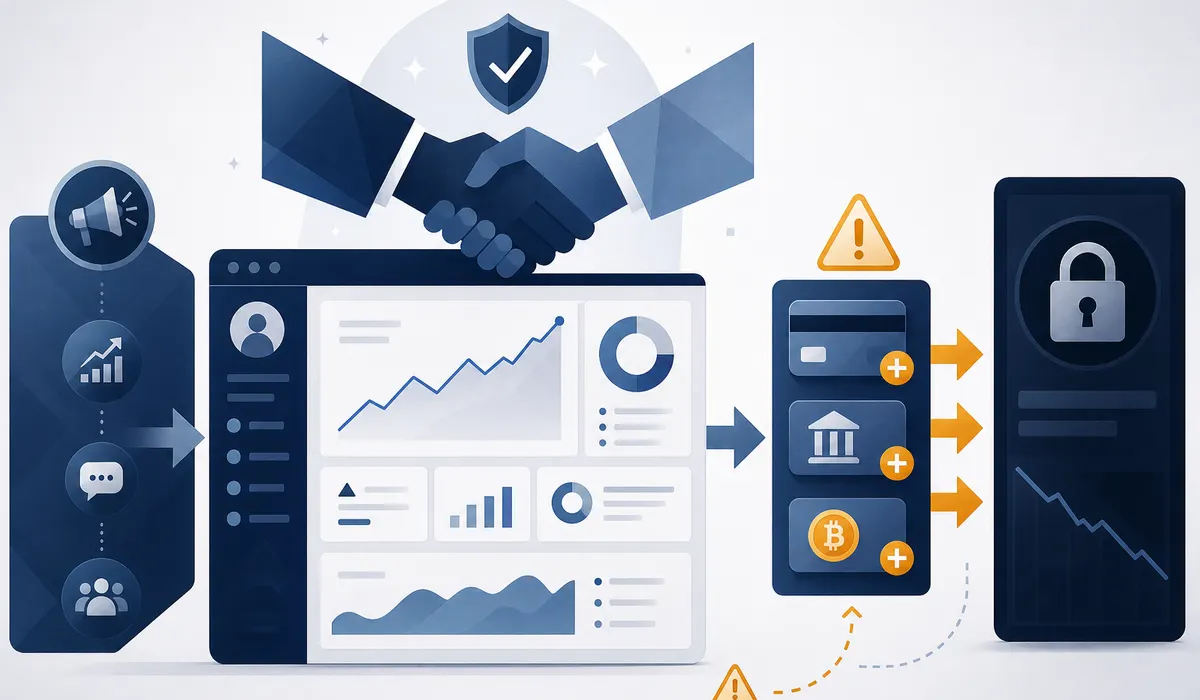
Practical checks that can reduce exposure to fabricated investment offers.
Check 01
Check whether the investment company is licensed by the appropriate financial regulator.
Check 02
Look for independent reviews, regulatory warnings, and public records before investing.
Check 03
Legitimate investments always involve risk. Guaranteed profits should be treated as a warning sign.
Check 04
Take time to evaluate every investment opportunity instead of making rushed decisions.
Check 05
Never share passwords, wallet recovery phrases, or banking security credentials.
Check 06
Save transaction receipts, conversations, screenshots, and account statements from the beginning.
If You Were Targeted
General educational steps. Adapt them to your jurisdiction and payment channels.
Do not send any additional money, fees, taxes, or verification payments.
Save screenshots, transaction receipts, emails, chat records, wallet addresses, and all supporting documents.
Report the incident immediately to your bank, payment provider, or cryptocurrency exchange if applicable.
Notify the appropriate law enforcement agencies or financial regulators in your jurisdiction.
Obtain professional guidance to evaluate your case and understand the recovery options that may be available.
GFKC may help users understand possible recovery pathways and request legal guidance. Recovery is not guaranteed and depends on evidence, jurisdiction, payment method and the parties involved.
Related Patterns
Nearby fraud patterns that often overlap with investment schemes.
Knowledge
Practical guides that may help after suspicious investment contact.
FAQ
Cautious answers about fabricated returns, deposits and recovery claims.
Confidential Case Review
Prepare your evidence or submit your case for confidential assessment before sending more money or sharing sensitive information.
Submitting a request does not create an attorney-client relationship and does not guarantee representation, recovery, or any specific outcome.