Primary Target
Online Dating & Social Media Users
Scam Type Guide
Romance scams use emotional relationships and long-term trust building to persuade victims to send money, cryptocurrency, gifts, or financial assistance. Scammers may spend weeks or months developing a relationship before introducing emergencies, investment opportunities, travel expenses, or other reasons for requesting funds.
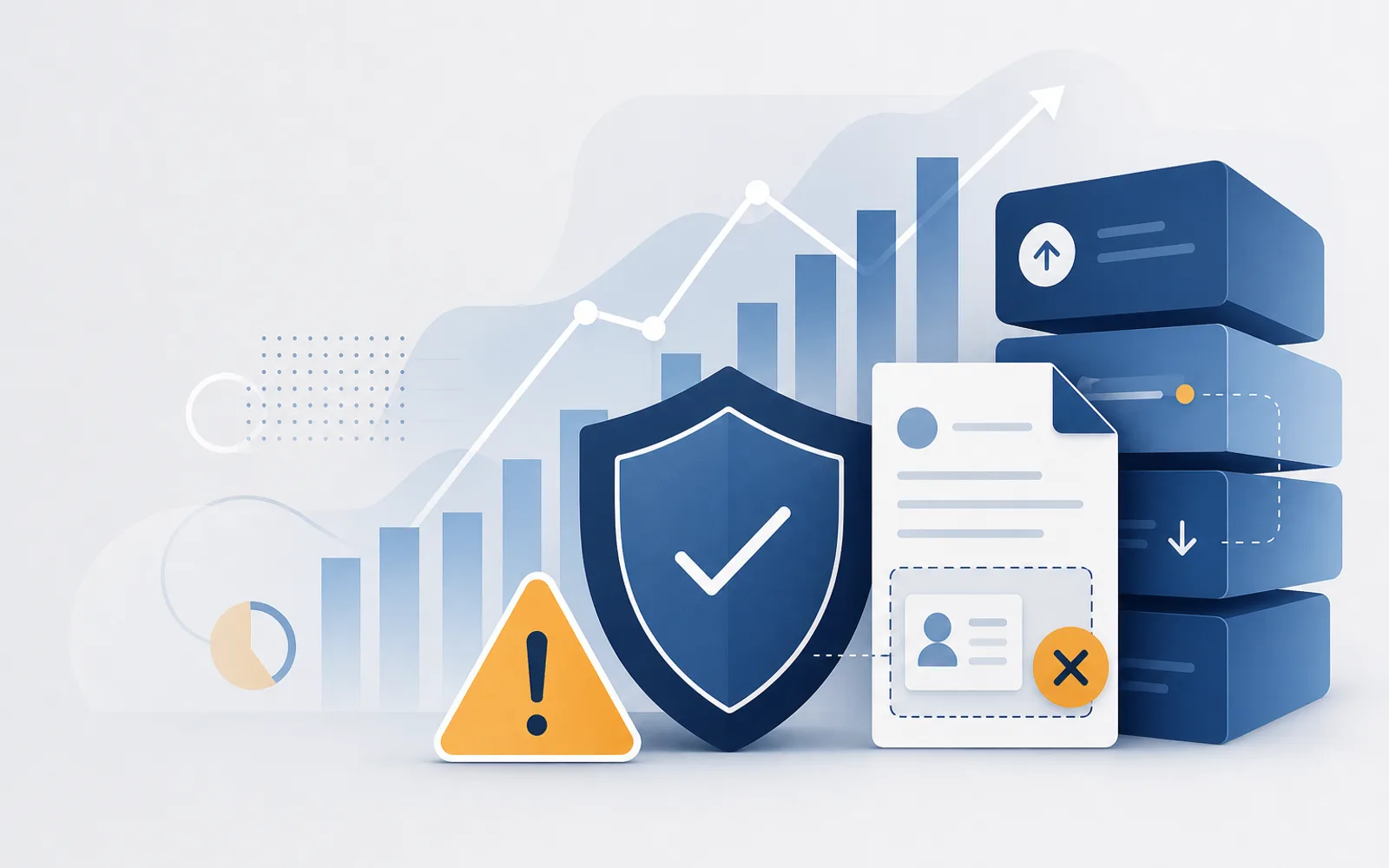
At a Glance
Key context for recognizing how this scam pattern commonly appears.
Primary Target
Online Dating & Social Media Users
Common Channels
Dating Apps, WhatsApp, Facebook
Common Requests
Money, Crypto, Travel or Emergency Payments
Typical Duration
Weeks or Months
Risk Level
High
Important Evidence
Chats, Profiles, Photos & Payment Records
Overview
A romance scam is a form of fraud in which a scammer creates a false identity and develops an emotional or romantic relationship with a victim for financial gain.
The scammer may claim to live or work overseas, experience emergencies, need travel expenses, or require financial assistance.
Some romance scams eventually introduce fraudulent cryptocurrency or investment opportunities, causing victims to lose significantly larger amounts of money.
Process
A typical sequence used to build trust, escalate deposits and block withdrawals.
Step 01
The scammer contacts the victim through a dating app, social media platform, or messaging service.
Step 02
Frequent conversations are used to create trust, affection, and emotional dependence.
Step 03
The scammer provides detailed stories about work, family, travel, or personal circumstances to appear genuine.
Step 04
A small payment is requested for an emergency, travel expense, medical problem, or temporary financial difficulty.
Step 05
The victim is gradually asked to send larger amounts through bank transfers, cryptocurrency, gift cards, or other payment methods.
Step 06
New emergencies or promises are used to justify further payments and prevent the victim from questioning the relationship.
Step 07
The scammer disappears, blocks communication, or continues requesting money once the victim becomes suspicious.
Warning Signs
These signals do not prove fraud by themselves, but several together should prompt extra verification.
The person expresses strong feelings or commitment shortly after meeting online.
Repeated excuses are given for why video calls, travel, or face-to-face meetings cannot happen.
Unexpected medical, legal, travel, or business problems repeatedly require financial assistance.
The victim is encouraged to send cryptocurrency or use payment methods that are difficult to reverse.
The scammer discourages the victim from discussing the relationship or payments with family and friends.
The relationship gradually shifts toward cryptocurrency, trading, or other investment opportunities.
Tactics
Romance scammers rely heavily on emotional manipulation, fabricated identities, personal stories, and repeated trust-building to reduce a victim's willingness to question financial requests.
Scammers use stolen photographs, false names, and fabricated personal histories to create convincing profiles.
Victims receive intense attention, affection, and promises of a future relationship very early in the interaction.
Medical problems, travel difficulties, frozen accounts, or family emergencies are used to justify urgent payments.
The scammer talks about marriage, travel, business plans, or living together to strengthen emotional commitment.
Victims may be encouraged to keep payments secret or ignore concerns raised by friends and family.
Some scammers use the established relationship to introduce fake cryptocurrency or investment platforms.
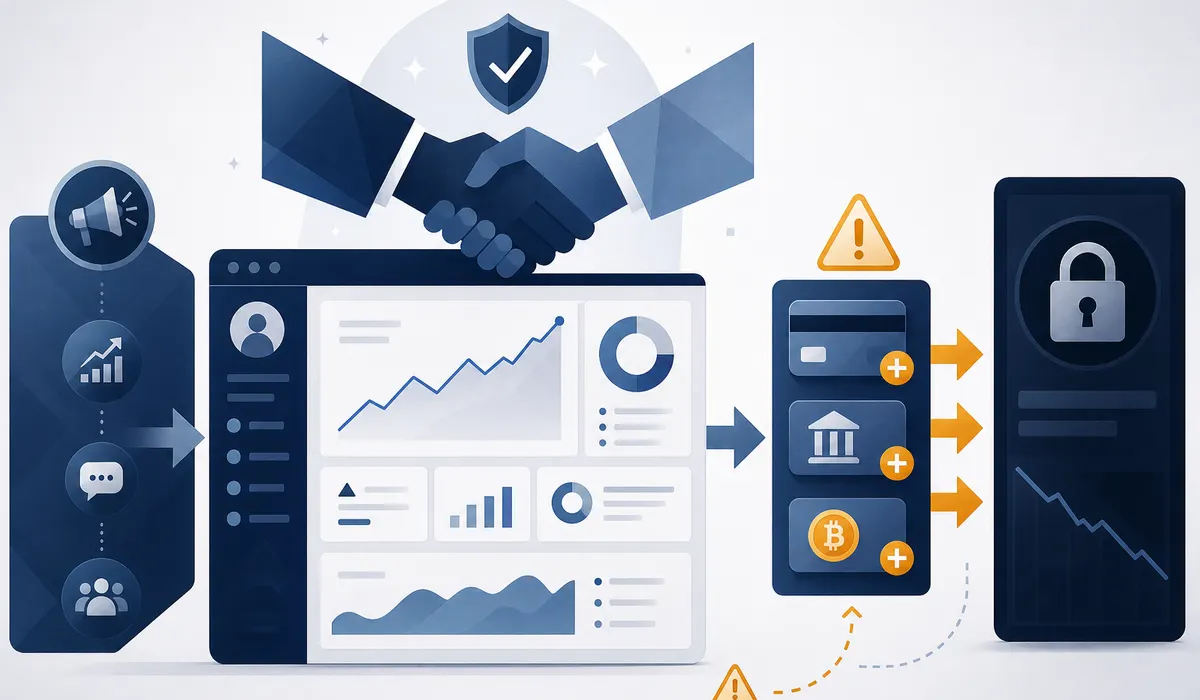
Prevention
Practical checks that can reduce exposure to fabricated investment offers.
Check 01
Use independent information and video communication to verify who the person claims to be.
Check 02
Never provide passwords, banking credentials, card details, or wallet recovery phrases.
Check 03
Treat unexpected requests for money from an online relationship with caution.
Check 04
Discuss major financial requests with a trusted friend, family member, or independent professional.
Check 05
Do not invest through platforms introduced solely by an online romantic contact.
Check 06
Preserve messages, profile information, photographs, payment receipts, and account details.
If You Were Targeted
General educational steps. Adapt them to your jurisdiction and payment channels.
Do not send additional money, cryptocurrency, gift cards, or emergency payments.
Save chat histories, emails, usernames, profile links, photographs, phone numbers, and screenshots.
Keep bank statements, transfer confirmations, wallet addresses, transaction hashes, and payment receipts.
Inform your bank, card issuer, cryptocurrency exchange, or other payment provider as soon as possible.
Report the fraudulent profile and relevant transactions to appropriate platforms, law enforcement, or regulatory authorities.
Organize your evidence and seek appropriate professional guidance to assess possible recovery pathways.
GFKC may help users understand possible recovery pathways and request legal guidance. Recovery is not guaranteed and depends on evidence, jurisdiction, payment method and the parties involved.
Related Patterns
Nearby fraud patterns that often overlap with investment schemes.
Knowledge
Practical guides that may help after suspicious investment contact.
FAQ
Cautious answers about fabricated returns, deposits and recovery claims.
Confidential Case Review
Prepare your evidence or submit your case for confidential assessment before sending more money or sharing sensitive information.
Submitting a request does not create an attorney-client relationship and does not guarantee representation, recovery, or any specific outcome.