Primary Target
Cryptocurrency Investors
Scam Type Guide
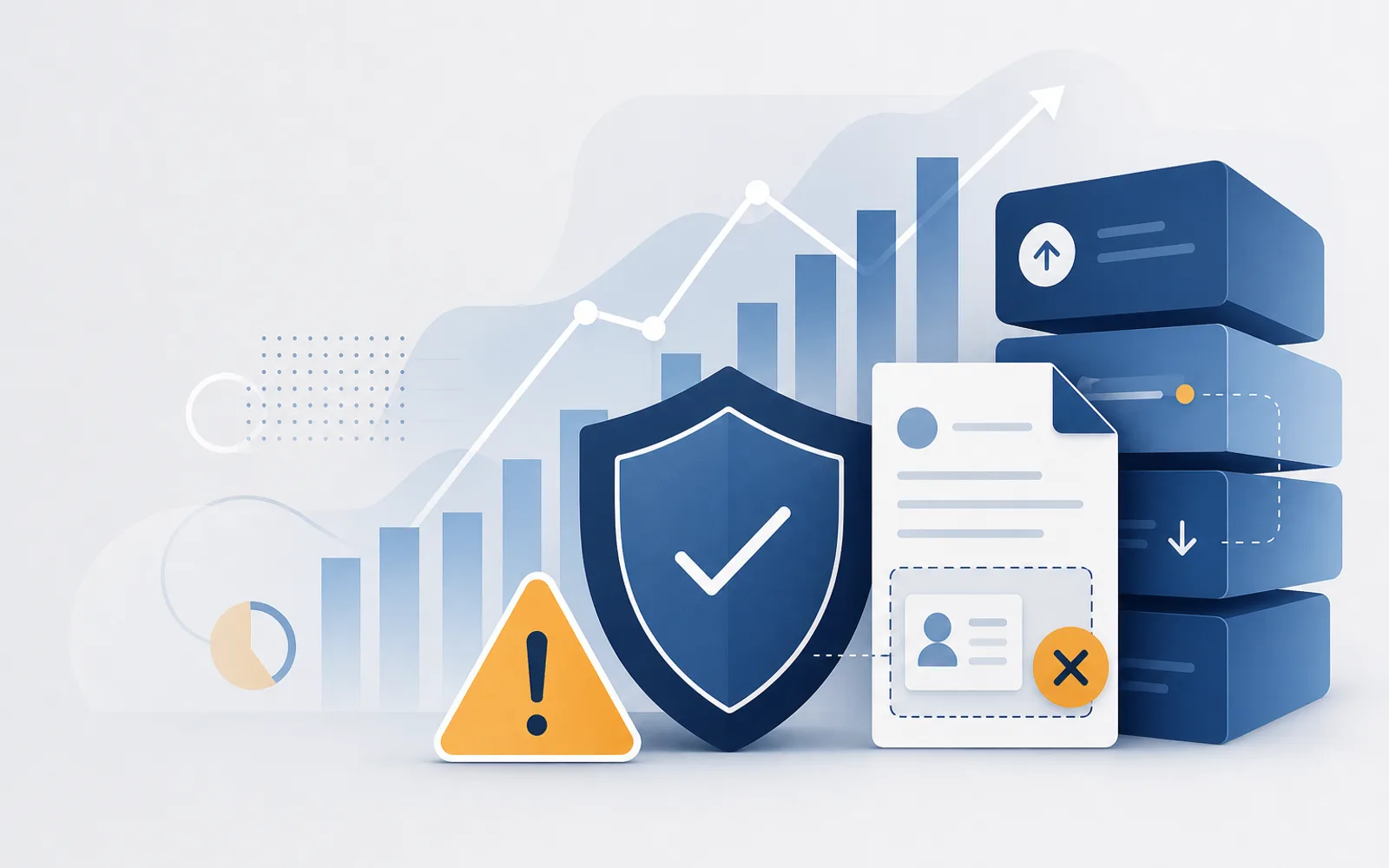
Cryptocurrency scams continue to grow worldwide, targeting both new and experienced investors. Fraudsters use fake trading platforms, fraudulent investment opportunities, romance scams, phishing attacks, and impersonation schemes to steal digital assets. Understanding how these scams operate is the first step toward protecting yourself and preserving valuable evidence.
At a Glance
Key context for recognizing how this scam pattern commonly appears.
Primary Target
Cryptocurrency Investors
Common Payment
Bitcoin, Ethereum, USDT
Communication
Telegram, WhatsApp, Discord
Typical Method
Fake Investment Platforms
Risk Level
High
Evidence
Wallet Addresses & Transaction Hashes
Overview
A cryptocurrency scam is any fraudulent scheme designed to steal digital assets or persuade victims to transfer cryptocurrency through deception.
Scammers often pretend to be investment advisors, trading platforms, customer support agents, or online acquaintances.
Because blockchain transactions are generally irreversible, early action and proper evidence preservation are especially important.
Process
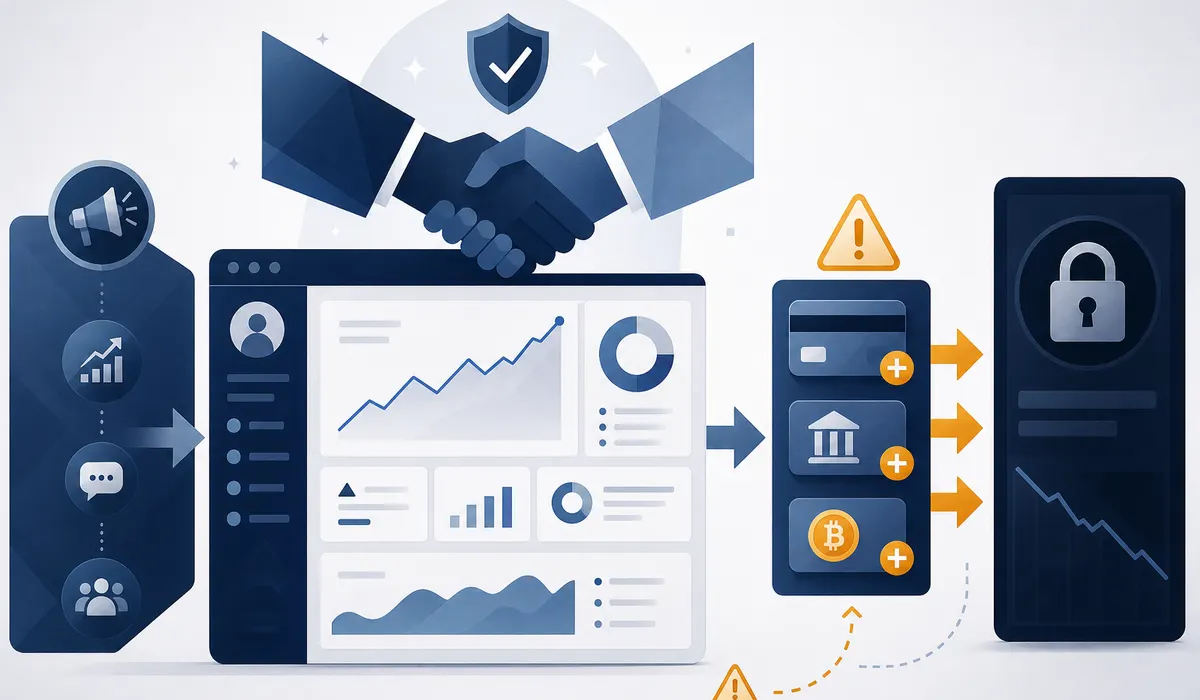
A typical sequence used to build trust, escalate deposits and block withdrawals.
Step 01
Victims are approached through social media, messaging apps, dating platforms, or investment groups.
Step 02
Fraudsters gradually build credibility by sharing fake investment success stories and fabricated profits.
Step 03
Victims are encouraged to transfer cryptocurrency into a platform controlled by scammers.
Step 04
The platform displays unrealistic profits to persuade victims to invest more.
Step 05
Victims are asked to pay taxes, verification fees, or service charges before withdrawals are approved.
Step 06
Communication stops after sufficient funds have been transferred.
Warning Signs
These signals do not prove fraud by themselves, but several together should prompt extra verification.
Promises of high returns with little or no risk.
The exchange or investment company cannot verify its registration.
Pressure to invest immediately before a supposed opportunity expires.
Additional payments are required before funds can be withdrawn.
Funds must be transferred directly to personal wallet addresses.
Communication occurs exclusively through Telegram or WhatsApp.
Tactics
Cryptocurrency scammers combine technical deception with psychological manipulation to convince victims to transfer digital assets that are extremely difficult to recover.
Victims are directed to professional-looking websites that imitate legitimate cryptocurrency exchanges.
Fraudsters create fake investment communities filled with fabricated success stories.
Scammers pretend to be wallet or exchange support staff.
Victims are promised passive income from nonexistent mining operations.
Fraudsters promise to double any cryptocurrency sent to a wallet.
Victims are tricked into revealing wallet recovery phrases.
Prevention
Practical checks that can reduce exposure to fabricated investment offers.
Check 01
Research the exchange or investment company independently.
Check 02
Never share your wallet recovery phrase with anyone.
Check 03
Protect exchange accounts using MFA whenever possible.
Check 04
Do not invest under time pressure.
Check 05
Confirm every wallet address before transferring funds.
Check 06
Save blockchain transaction hashes and wallet information.
If You Were Targeted
General educational steps. Adapt them to your jurisdiction and payment channels.
Do not make any additional cryptocurrency transfers.
Save wallet addresses, transaction hashes, screenshots, and chat history.
Report suspicious wallet activity to the cryptocurrency exchange if applicable.
Submit reports to law enforcement and relevant cybercrime agencies.
Consult professionals to evaluate the available recovery options.
GFKC may help users understand possible recovery pathways and request legal guidance. Recovery is not guaranteed and depends on evidence, jurisdiction, payment method and the parties involved.
Related Patterns
Nearby fraud patterns that often overlap with investment schemes.
Knowledge
Practical guides that may help after suspicious investment contact.
FAQ
Cautious answers about fabricated returns, deposits and recovery claims.
Confidential Case Review
Prepare your evidence or submit your case for confidential assessment before sending more money or sharing sensitive information.
Submitting a request does not create an attorney-client relationship and does not guarantee representation, recovery, or any specific outcome.